
For most of us, a home is two things at once: the place we live and one of the largest financial assets we'll ever own. The good news? Protecting that investment rarely requires a major remodel.

Dated: August 17 2026
Views: 69
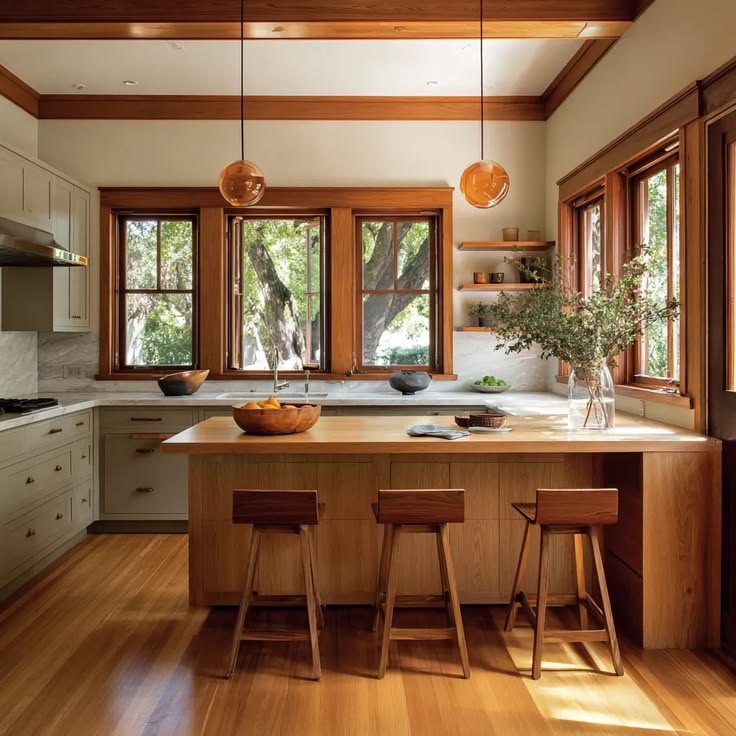
For most of us, a home is two things at once: the place we live and one of the largest financial assets we'll ever own. The good news? Protecting that investment rarely requires a major remodel. More often, it comes down to consistent maintenance and a few thoughtful improvements, not the newest kitchen or the most expensive finishes.
Whether you plan to stay for decades or simply want to keep your options open, here are the areas worth your attention.
1. Protect the basics first
Before you think about remodeling a kitchen or replacing countertops, make sure the home's essential systems are sound. Pay particular attention to the roof and gutters, plumbing and water leaks, electrical systems, heating and air conditioning, drainage and grading, the foundation, and exterior paint, wood, and stucco.
Here's the quiet truth of homeownership: deferred maintenance has a way of becoming expensive maintenance. Keeping the fundamentals in good shape protects both the home itself and its long-term value.
2. Focus on improvements you'll actually enjoy
Not every improvement needs to be justified by resale value. A remodeled kitchen, an updated bath, new flooring, or a better outdoor space can add years of genuine enjoyment to your life at home.
The distinction that matters is between improvements made for your lifestyle and improvements made primarily for resale. If you're planning to stay, your own enjoyment absolutely belongs in the equation.
3. Kitchens and bathrooms: update thoughtfully
Buyers pay close attention to kitchens and bathrooms, but these are also among the most expensive rooms to remodel. Before committing to a full renovation, ask whether smaller changes could get you most of the way there: updated lighting and fixtures, fresh paint, new cabinet hardware, refinishing instead of replacing, updated countertops or appliances, or simply better storage.
A thoughtful refresh often delivers most of the benefit without the cost of a complete remodel.
4. Don't overlook curb appeal
Your home's exterior creates the first impression, and maintaining it is often surprisingly economical. Think healthy, well-kept landscaping, exterior paint and trim, a welcoming front door and entry, outdoor lighting, clean driveways and walkways, and tidy fences and gates.
Curb appeal doesn't require elaborate landscaping. Clean, healthy, and well-maintained almost always wins.
5. Improvements that make a home easier to live in
Some upgrades enhance both everyday comfort and future marketability. Depending on the home, these might include energy-efficient windows and insulation, an updated HVAC system, improved lighting, better storage, walk-in or curbless showers, safer and more accessible living spaces, and functional outdoor living areas.
These are especially valuable when they make a home comfortable for a wider range of ages and lifestyles, something I pay particular attention to as a Senior Real Estate Specialist.
6. Before a major remodel, ask three questions
Will we enjoy and use this improvement? If you'll appreciate it for the next five or ten years, financial return isn't the only consideration.
Does it make sense for the home and the neighborhood? Over-improving can be just as problematic as under-improving.
Are we doing this for ourselves, or for a future buyer? If you're preparing to sell relatively soon, the answer may change which projects make sense.
A good rule of thumb
Maintain first. Improve second. Remodel thoughtfully. You don't need the newest kitchen or the priciest finishes to protect your home's value. A well-cared-for home with sound systems, good maintenance, and thoughtful updates will generally stand out. And if you're thinking about selling within the next few years, it's worth getting a real estate perspective before committing serious money to renovations.
A neighborly resource
Homeowners often ask me which projects are worth doing and which they can skip, especially when selling is somewhere on the horizon. I'm always glad to walk through a home, share what I'm seeing in today's market, and offer an honest perspective on improvements that may (or may not) make sense. I can also connect you with trusted local professionals when needed.
There's never any obligation, just useful information.
Doug Colliflower, Realtor® | Senior Real Estate Specialist (SRES®) | Neighbor
Berkshire Hathaway HomeServices Golden Properties · 626.524.4158 · doug.colliflower@gmail.com

Doug Colliflower is a trusted real estate agent and Broker Associate serving Altadena, La Cañada Flintridge, Pasadena, and surrounding Foothill communities. With decades of experience in the lo....
For most of us, a home is two things at once: the place we live and one of the largest financial assets we'll ever own. The good news? Protecting that investment rarely requires a major remodel.
For many families, a home is much more than a place to live. It is often their largest financial asset, the center of family memories, and an important part of the legacy they hope to leave behind
If you’ve been thinking about buying or selling a home lately, you’ve probably noticed there’s no shortage of opinions about the housing market. Between headlines, social media,
One of the most common questions I hear from homeowners—especially those who have lived in their home for many years—is: “What should I fix or update before putting my home on the
 Based on information from California Regional Multiple Listing Service, Inc. as of September 22, 2026 1:43 PM UTC This information is for your personal, non-commercial use and may not be used for any purpose other than to identify prospective properties you may be interested in purchasing. Display of MLS data is usually deemed reliable but is NOT guaranteed accurate by the MLS. Buyers are responsible for verifying the accuracy of all information and should investigate the data themselves or retain appropriate professionals. Information from sources other than the Listing Agent may have been included in the MLS data. Unless otherwise specified in writing, Broker/Agent has not and will not verify any information obtained from other sources. The Broker/Agent providing the information contained herein may or may not have been the Listing and/or Selling Agent.
Based on information from September 22, 2026 1:43 PM UTC The information being provided by CRMLS is for the visitor's personal, noncommercial use and may not be used for any purpose other than to identify prospective properties visitor may be interested in purchasing. The data contained herein is copyrighted by CRMLS, CLAW, i-Tech MLS, PSRMLS and/or VCRDS and is protected by all applicable copyright laws. Any dissemination of this information is in violation of copyright laws and is strictly prohibited.
Any property information referenced on this website comes from the Internet Data Exchange (IDX) program of CRMLS. All data, including all measurements and calculations of area, is obtained from various sources and has not been, and will not be, verified by broker or MLS. All information should be independently reviewed and verified for accuracy. Properties may or may not be listed by the office/agent presenting the information.
